

Linking Symptom to Crime in a U-Visa Petition
A practical guide to what a forensic mental health evaluation adds to a U-visa petition, when to order one, and how to read a report that will hold up.
Inside the Guide
- ◦ Why substantial mental abuse is the harder half to prove, and how a report meets it
- ◦ What the evaluation documents, from diagnosis to functional impairment
- ◦ How the report establishes the nexus between the crime and the harm
- ◦ How to read a report with a critical eye before you refer
Written by Dr. Reyna Aday, CFMHE, a Certified Forensic Mental Health Evaluator in Coral Gables who prepares immigration evaluations for U-visa, VAWA, asylum, T-visa, and hardship cases.
Get the Guide
Send it to my inbox
Enter your details and we will email the guide right away. For attorneys only.
We respect your privacy and never share your address. Unsubscribe anytime.
Evidence, Not Advocacy
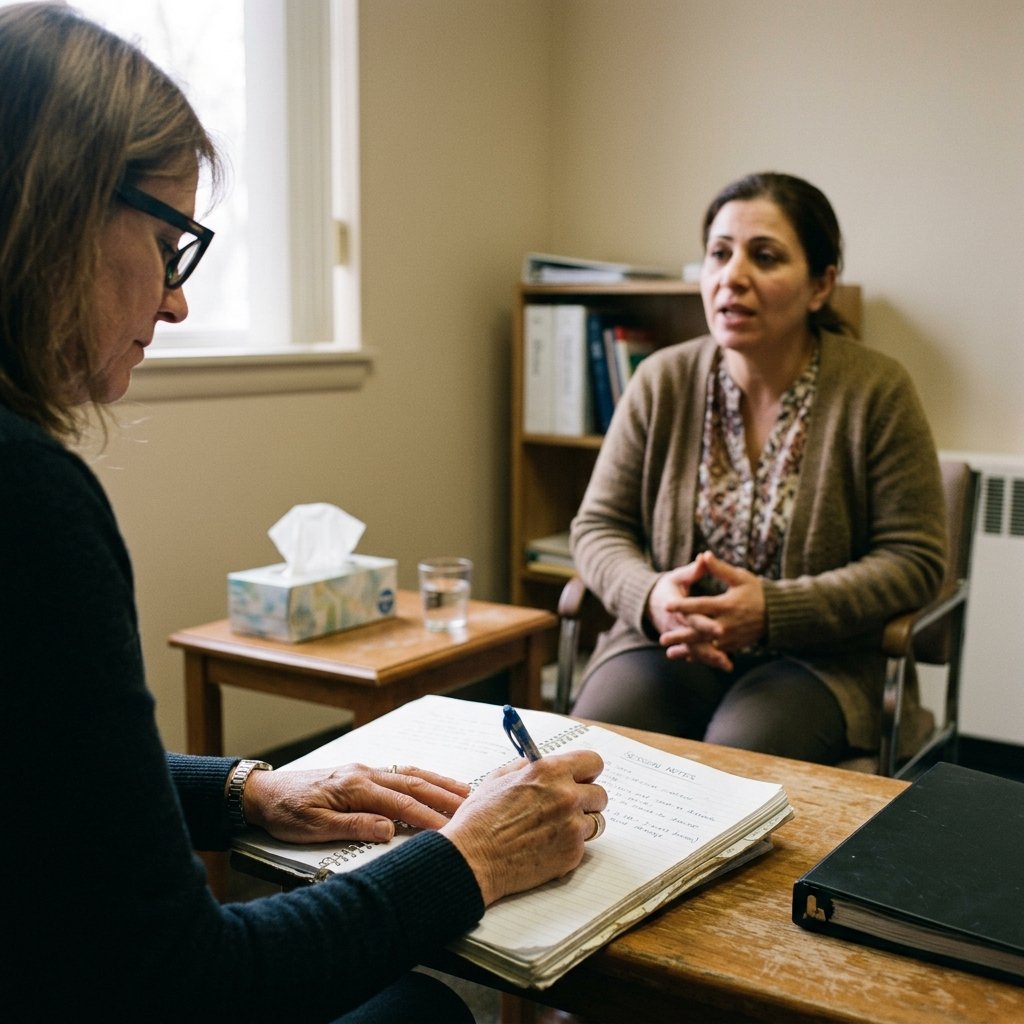
A U-visa petition asks you to prove that your client suffered substantial physical or mental abuse from a qualifying crime. A forensic evaluation gives you an objective clinical record of that harm, documented to the evidentiary standard your filing needs, and links each symptom back to the crime. It stays in its lane: it documents clinical findings and leaves the legal conclusions to you.
Evaluations are conducted by secure videoconference, in English or Spanish. Dr. Aday is licensed in Florida, New Jersey, Pennsylvania, Texas, New Mexico, Colorado, Massachusetts, and Indiana.
Frequently Asked Questions
- What is a mental health evaluation for a U-visa petition?
- It is a forensic assessment that documents the substantial mental abuse a victim of a qualifying crime suffered, prepared as objective evidence to accompany the petition. It is not therapy.
- How does an evaluation help prove substantial mental abuse?
- The mental harm of a crime often leaves no physical record. An evaluation documents symptoms such as fear, intrusive memories, and hypervigilance, and establishes the nexus that links each symptom to the qualifying crime under DSM-5-TR criteria.
- How long does a U-visa evaluation take?
- Intake is usually within about five business days of referral, and a draft report follows roughly fifteen to twenty-one business days after the evaluation, depending on records and client availability.
- Can the evaluation be conducted in Spanish?
- Yes. Dr. Aday works fluently in English and Spanish, so the client can share their experience in the language they are most comfortable in.
- Who conducts the evaluation?
- Dr. Reyna Aday, a doctoral-level Licensed Mental Health Counselor and Certified Forensic Mental Health Evaluator (CFMHE), licensed in Florida, New Jersey, Pennsylvania, Texas, New Mexico, Colorado, Massachusetts, and Indiana.